Sun and UV Protection

Constant sun exposure is one of the fastest ways to fade cushions and dull finishes, even on materials marketed as "weather-resistant." A few habits make a real difference:

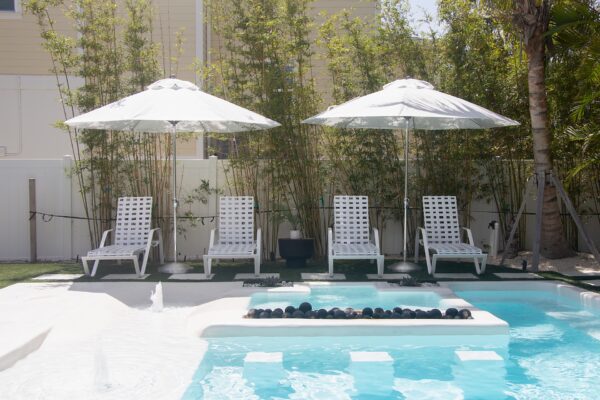
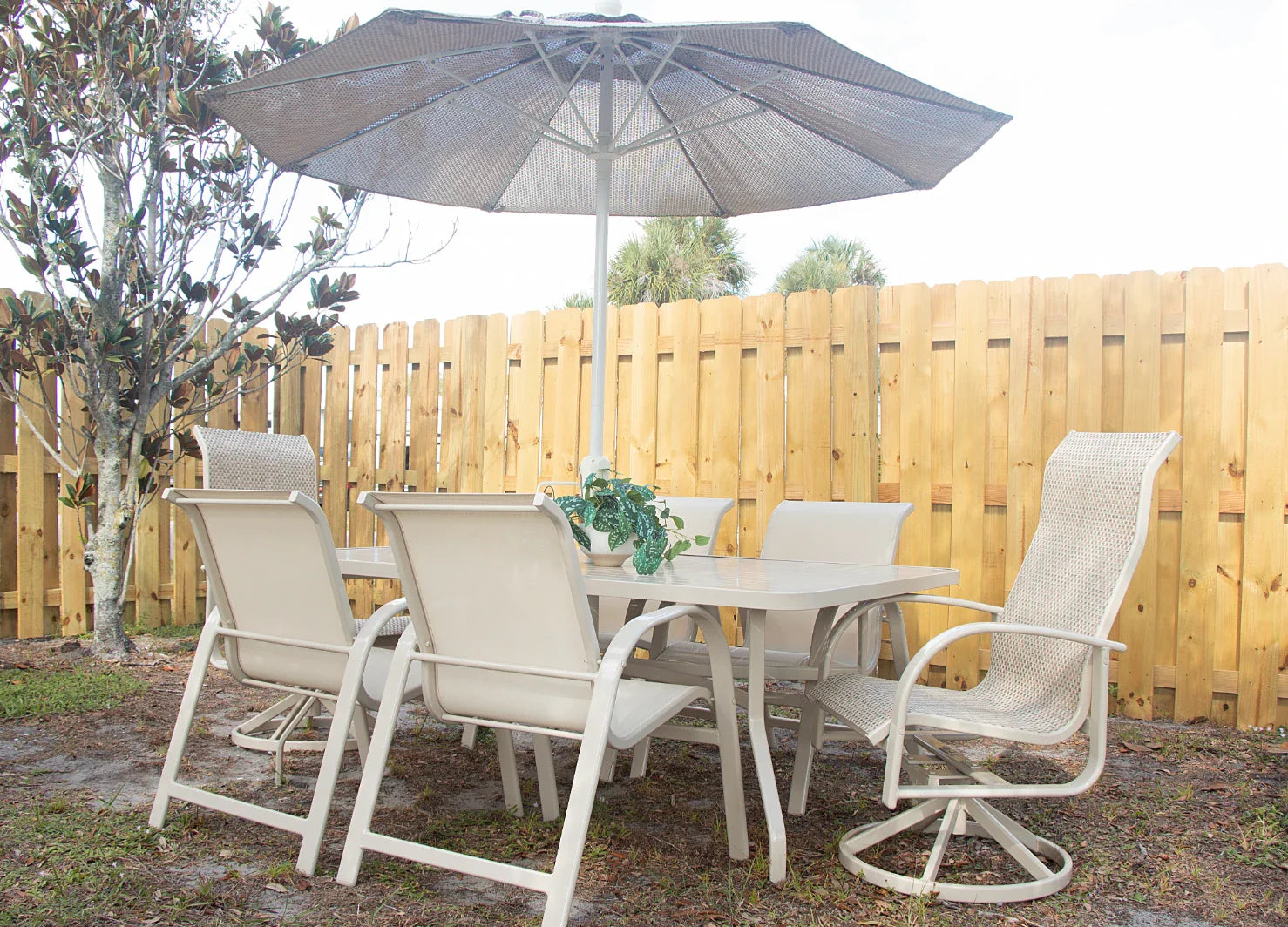
  • Use shade. An umbrella, pergola, or shade sail cuts direct UV exposure significantly and keeps the space more comfortable to sit in, too.
  • Rotate your furniture. Shifting pieces every so often prevents one side from fading faster than the other.
  • Keep cushions out of direct sun when not in use. Standing them upright or storing them in a bin between uses slows fading noticeably.
  • Apply a UV protectant spray on metal, resin, and synthetic wicker pieces every season for an extra layer of defense.

Rain and Moisture

Water is the enemy of almost every outdoor material in one way or another — it swells wood, rusts unprotected metal, and breeds mildew in fabric and cushions.

  • Never store furniture upside down. It traps water in frames and joints instead of letting it drain.
  • Invest in breathable, waterproof covers. They keep rain out while still letting trapped moisture escape, which prevents mold underneath.
  • Let furniture dry fully before covering it. Sealing in moisture is often worse than leaving it exposed.
  • Store cushions in a dry, airtight container during wet stretches rather than leaving them out.

Wind

High winds don't just knock furniture around — light pieces can become genuine safety hazards.

  • Secure lightweight furniture, especially chairs and umbrellas, with straps or anchors if you're in a windy area.
  • Close and store umbrellas rather than leaving them open when they're not in use.
  • Stack and tie down chairs ahead of a storm if you can't bring them inside.

Winterizing and Off-Season Storage

If you experience real winters, this is the step that matters most. Freeze-thaw cycles are brutal on frames, and trapped moisture can crack joints or rust hardware from the inside out.

  • Clean everything before storing it. Dirt and residue left over winter can stain or degrade materials.
  • Store in a garage or shed if possible. If that's not an option, use a heavy-duty waterproof cover and elevate furniture off the ground.
  • Bring cushions and fabric indoors. These fare the worst outside in freezing, damp conditions.
  • Check hardware before storing. Tighten loose screws and address any early rust spots before they sit untouched for months.

Material-Specific Care

Different materials need slightly different attention:

  • Wood (teak, acacia, cedar): Clean with mild oil-based soap and a soft brush, going with the grain. Apply a sealant or oil once or twice a year to maintain color and protect against moisture.
  • Metal (aluminum, wrought iron, steel): Wipe down regularly and address any rust spots immediately with fine sandpaper or a wire brush before they spread. A spray lubricant helps protect exposed metal joints.
  • Wicker and rattan (synthetic or natural): Rinse with a garden hose and mild soap. Natural wicker especially benefits from being covered or moved under shelter during heavy rain and winter.
  • Cushions and fabric: Choose solution-dyed, water-resistant fabric where possible, and always let cushions dry completely before storing to prevent mildew.

A Simple Seasonal Checklist

  • Spring: Deep clean everything, inspect for winter damage, reapply protectant sprays or sealants.
  • Summer: Rotate pieces periodically, keep cushions shaded when not in use, rinse off pollen and debris.
  • Fall: Clean thoroughly before temperatures drop, check and tighten hardware, plan your storage approach.
  • Winter: Store or cover fully, keep cushions and fabric indoors, check on covered furniture after major storms.

Furniture care doesn't need to be complicated — it just needs to be consistent. A few minutes each season is a lot cheaper than replacing a set that didn't make it through the winter.

Looking to upgrade to lower-maintenance materials? Take a look at our guide comparing teak, aluminum, and wicker to find a material that fits how much upkeep you're actually willing to do.