Article: The Complete Patio Furniture Buying Guide: How to Measure, Plan, and Choose the Right Set
The Complete Patio Furniture Buying Guide: How to Measure, Plan, and Choose the Right Set
Buying patio furniture without measuring your space first is a bit like buying a couch without knowing your living room's dimensions — it might work out, but more often it leads to a set that overwhelms a small patio, gets lost in a large one, or simply doesn't fit through the gate. A little planning up front saves a lot of frustration (and return shipping) later. Here's a step-by-step approach.
Step 1: Measure Your Usable Space
Start with the full length and width of your patio, deck, or balcony — but don't stop there. Subtract anything that eats into your usable area: doors that swing open, grill zones, walkways to the yard or pool, planters, and any steps or level changes. What's left is your real usable square footage, and it's usually smaller than people expect.
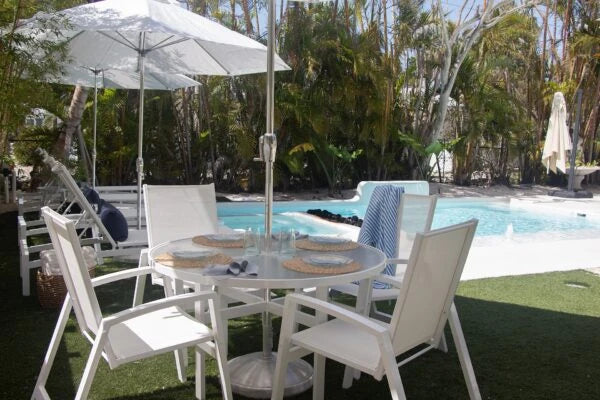
As a rule of thumb, leave at least 24–36 inches of clearance around furniture for comfortable walking room, and closer to 30 inches around a dining table so chairs can be pushed back without hitting a wall.
Step 2: Decide How You'll Actually Use the Space
This shapes everything that comes next. Are you hosting big weekend dinners, or looking for a quiet spot to read? A few common priorities:
- Entertaining: Prioritize a larger dining table and wider walkways for guests to move through comfortably.
- Lounging: Factor in the full footprint of a sofa, loveseat, or sectional plus a coffee table — these take up more space than people usually estimate.
- Multi-purpose: Consider modular furniture that can be reconfigured between a dinner setup and a lounge layout.
Step 3: Set a Budget Before You Start Browsing
Patio furniture spans a huge price range, largely driven by material and build quality. Higher-quality materials cost more upfront but typically last far longer — so it's worth deciding early whether you're buying a long-term investment piece or a shorter-term set you're comfortable replacing in a few years. Either approach is valid; the key is deciding before you fall in love with something outside your range.
Step 4: Choose a Material That Matches Your Climate
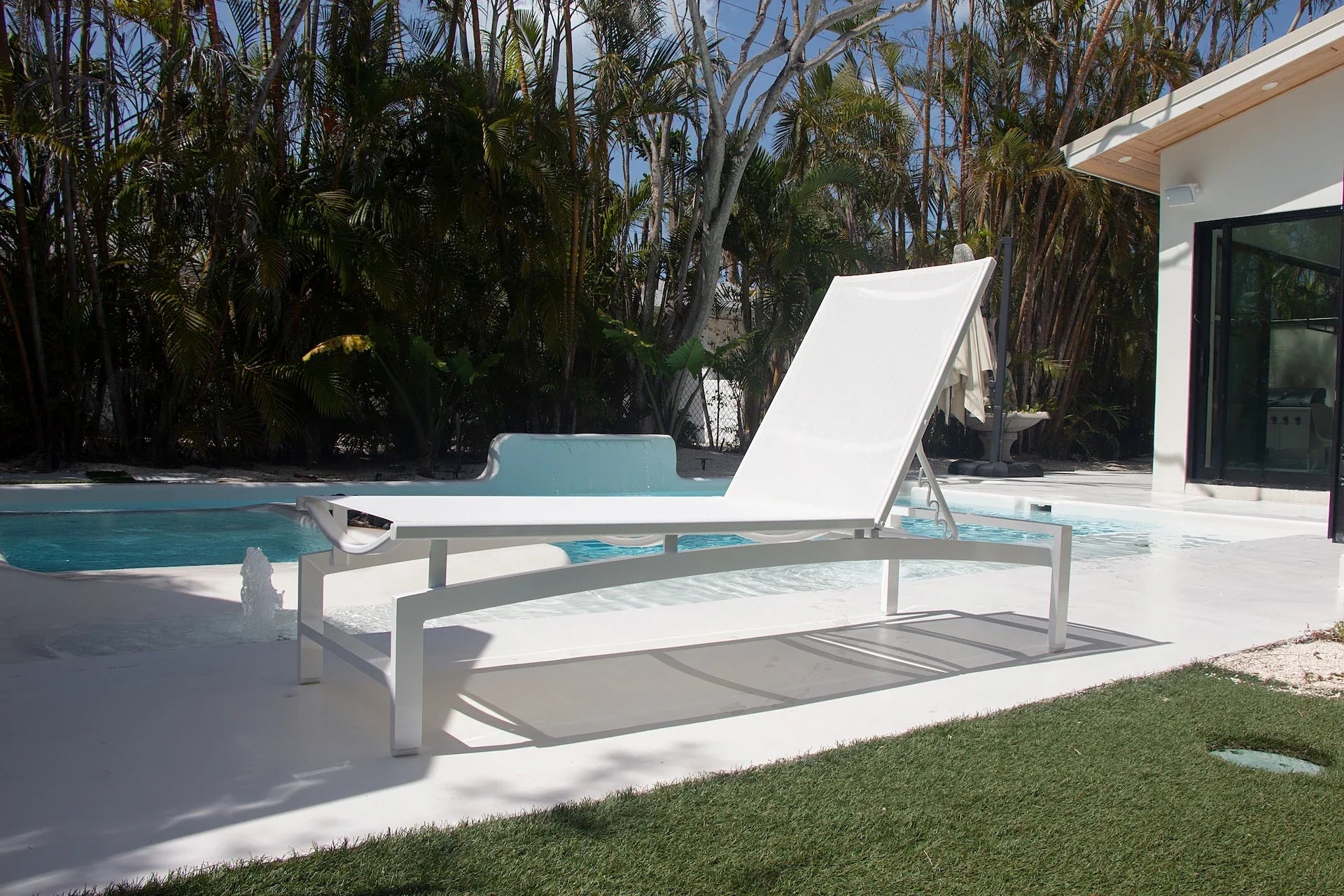
Material affects durability, maintenance, and how well a piece survives your specific weather. Coastal and humid climates favor teak or aluminum for their moisture resistance; sunnier, drier climates have more flexibility, including wicker. If you're not sure where to start, our full breakdown of teak vs. aluminum vs. wicker walks through the tradeoffs of each.
Step 5: Test Your Layout Before You Buy
Once you have rough dimensions for the pieces you're considering, use painter's tape to mark out their footprint directly on your patio floor. This single step catches more sizing mistakes than anything else — it's the easiest way to see whether a six-seat dining table will actually leave room to walk around it, or whether a sectional will block your door.
Step 6: Plan for Maintenance and Storage Ahead of Time
Before you buy, think honestly about how much upkeep you're willing to do. If you don't have a shed or garage, low-maintenance materials like aluminum or all-weather wicker will save you a lot of hassle compared to natural wood or fabric that needs to come inside every winter. It's much easier to factor this in now than to realize it after the furniture arrives.
A Quick Pre-Purchase Checklist
- Measured usable space (not just total square footage)
- Accounted for walkways, doors, and obstacles
- Decided on primary use (dining, lounging, or both)
- Set a budget
- Chosen a material suited to your climate
- Taped out the layout to confirm it fits
- Considered maintenance and off-season storage
Getting the size, material, and layout right the first time means you get to spend your first season outside actually enjoying the space — not returning furniture that didn't fit.
Ready to shop? Browse our full outdoor furniture collection, or read our guide on small-space patio and balcony ideas if you're working with a more compact area.